Geranium Maculatum ~ Geranium

Geranium~ Geranium Maculatum
Common Species: Geranium albanum, Geranium dalmaticum, Geranium fremontii, Geranium erianthum, Geranium cinereum, Geranium Maculatum
FAMILY: Geraniaceae (Geranium family)
GENUS: Primarily Geranium
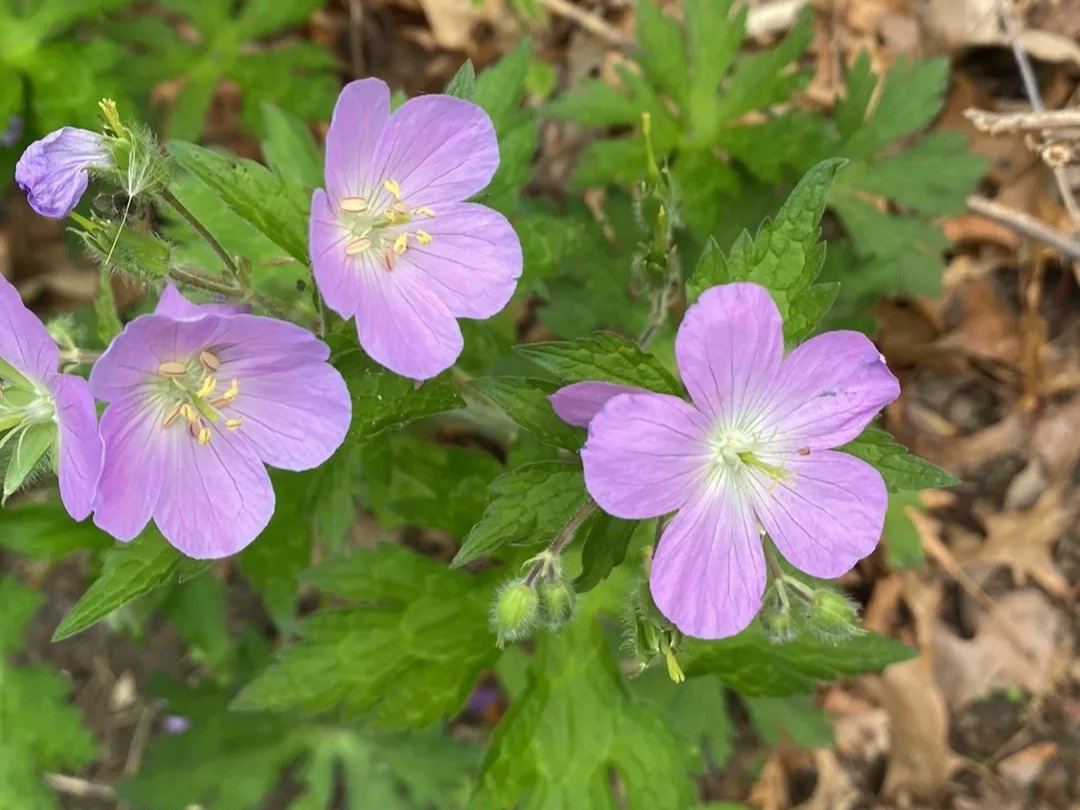
A low whisper of the woods
Geranium is the gentle keeper of the woodsy floor. It doesn’t appear loudly but instead lingers at the edges staying cool and grounded. Quietly it reminds you that repairs are possible. Where Basil radiates heat and certainty, Geranium hums a steady song of balance and containment. Astringent yet tender and gentle, this plant is more about holding than pushing.
You’ll find Geranium is not much for the spotlight and prefers a bit of coverage. Maybe it is pressed between journal pages, steeped in wound washes, or stirred into creams and salves. The strength lies in it’s subtle beauty. Working to slow bleeding, seal the skin, and mend whatever has been overextended. Energetically, it invites reflection to help pull us back into the body with calm precision. Where Basil burns bright, we find that Geranium cooling with grace.
HISTORY & tradition
Geranium has quietly walked alongside humanity for centuries, carrying a reputation that spans both garden beds and healing traditions. Though often seen as a gentle ornamental, its roots delve deeper—into folk medicine. It helps us remember the delicate balance of emotional and physical well-being. Geranium’s presence is found in European cottage gardens and the wild meadows of North America where it has long been recognized as a plant of restoration.
The species most commonly used in herbalism is Pelargonium graveolens. This species is known as rose geranium for the fragrant and slightly rosy leaves. Native to South Africa, it was introduced to Europe in the 17th century and quickly embraced for its aromatic qualities and therapeutic potential (Herbal Reality, n.d.). Indigenous communities in it’s native land valued geranium for the refreshing scent and ability to soothe wounds and skin irritations.
In European herbal lore, geranium was often called “the balm of the heart.” Its essential oil was used in Victorian times to balance emotions and create a sense of calm within the home. Folk healers recommended it for ailments that intertwined body and spirit such as anxiety, melancholy, and grief. Even in these time its ability to gently support mood without dulling the senses was being recognized.
Geranium’s scent (floral yet green) carries symbolism of healing, and protection. It was sometimes used in sachets or placed by the bedside to invite peaceful dreams and emotional clarity. In modern aromatherapy, geranium (essential oil) is prized for its balancing influence on hormones and its reputation as a “friend to the skin,” making it a favorite in skincare rituals around the world.
According to Herbal Reality, geranium is considered cooling and astringent and can itself be both cleansing and toning. It is said to tighten what is loose whether than be skin or energy while softening harshness. It encourages gentle boundaries and offers a fragrant invitation to find grace in both strength and softness.
Wherever it blooms, geranium stands as a quiet ambassador of balance. Between the physical and the emotional. Between holding on and letting go. Between the rugged wild and the cultivated garden. Its history and character echo a plant that knows the art of gentle but firm presence.
What does it do?
Geranium maculatum is a cornerstone of traditional herbalism, prized primarily for its astringent and healing properties. Often called “wild geranium” or “spotted geranium,” this native North American species has long been valued for its ability to tighten tissues, tone mucous membranes, and staunch bleeding—making it a trusted ally in first aid and digestive health.
The plant’s high tannin content gives it a powerful capacity to contract and soothe irritated tissues. Traditionally, it has been used to calm inflamed gums, reduce diarrhea, and support wound healing. Herbalists have applied it as a poultice for skin wounds and as a tea to ease internal inflammation and promote gentle detoxification.
While Pelargonium species are widely celebrated for their fragrant essential oils and balancing effects on mood and skin, Geranium maculatum brings the classic geranium strength into the realm of deep tissue support. It’s less about aroma and more about firming and grounding—qualities that make it a valuable herb for stabilizing the body’s boundaries and reinforcing resilience.
According to herbal tradition, Geranium maculatum is cooling and astringent, helping to calm excess heat and dryness while restoring integrity to weakened or overworked tissues (Herbal Reality, n.d.). Its action is steady and reliable, supporting the body’s ability to “hold together” physically and energetically.
In essence, wild geranium is a plant of protection and restoration. It tightens what is loose without constriction and calms what is inflamed without dulling while offering a gentle yet firm embrace for both skin and spirit.
Cooking & culinary Tips
The same aromatic compounds that give basil its peppery-sweet kick—like eugenol, linalool, and rosmarinic acid—also carry many of its anti-inflammatory and antioxidant benefits. But there’s a catch: high heat and long cooking times can reduce those beneficial oils significantly (Grayer et al., 2003). The key is not to avoid heat altogether but to be mindful of how much and how long. A little warmth can actually help activate certain phytochemicals and improve our ability to absorb the volatile oils, making it a balancing act rather than a restriction.
If you want to preserve the most medicinal and nutritional value, it’s best to use basil fresh or stir it in at the very end of cooking. Another gentle way to capture its essence is by making herbal-infused oils or vinegars, which allow the delicate compounds to unfold slowly. Low-heat methods like steeping, blending, or short simmering also keep basil’s magic intact without sacrificing flavor.
For those who like to keep things simple but bold, my Basil Pesto 3 Ways offers three distinct versions—all made raw or gently blended to preserve the herb’s healing properties. These pestos freeze beautifully and can be used in everything from pasta to sandwiches. Feeling a bit more experimental? Try tossing fresh basil into a fruit salad with peaches and mint or muddling it into a lemon or cucumber drink for a refreshing herbal twist.
Basil also shines at breakfast. Add chopped leaves to savory oats with cherry tomatoes and a soft-boiled egg, or layer it over avocado toast drizzled with olive oil, lemon zest, and a sprinkle of hemp seeds. For savory pairings throughout the day, tuck whole basil leaves into a grilled cheese sandwich with sun-dried tomatoes, stir it into summer soups or veggie stews just before serving, or mix it into softened butter with garlic for an easy compound spread.
Here’s a quick prep idea to keep on hand: blend a handful of basil with lemon juice, olive oil, garlic, and pumpkin seeds, then spoon it over roasted sweet potatoes, grilled corn, pasta, or even fresh fruit. It’s fresh, fast, and full of flavor. For something special, try my Lemon Balm Oregano Basil over Sweet Potato “Pizza” recipe—a perfect way to enjoy basil’s vibrant taste and healthful benefits.
Bridging Kitchen & Apothecary
Geranium offers a quiet, steady support that grounds both body and mind. It soothes irritation. It restores strength to weakened tissues. It brings calm to areas feeling inflamed or unsettled.
From a medicinal lens, its cooling and astringent nature pairs beautifully with conditions and foods that are warm, damp, or congesting. Think rich meals, excess mucous, or digestive sluggishness. Geranium brings balance—both physically and energetically. That’s why traditional herbalists have relied on it to tone tissues, ease inflammation, and promote healing.
While fresh geranium leaves have their own gentle charm, especially when brewed as tea or used in poultices, its healing power often comes through careful infusions and preparations. Steeped, infused, or applied externally, it offers soothing astringency without harshness.
If you’ve only ever used geranium in salves or perfumes, try:
Adding its dried leaves to calming herbal teas > like plantain, lemon balm, or hibiscus, especially when you want to ease digestion or skin irritation.
Using geranium-infused oil in massages or as a skin tonic for its restorative benefits.
Pairing it with cooling herbs > such as peppermint or rose, to balance warmth and dryness.
>”Practitioner” notes<
Geranium is a quietly powerful ally that is easy to find in the wild or garden. It is gentle in application and surprisingly versatile in herbal practice. While it might not be the flashiest of herbs in the clinical setting, it offers consistent support for inflammation, tissue repair, and emotional grounding.
From a Western energetic perspective, geranium is cooling, dry, and astringent. It tones what is loose and moist, clears excess heat, and helps calm irritation without harshness. Overuse in very dry or cold constitutions may cause tightness or restriction, so balance is key.
Herbal Reality highlights geranium’s affinity for mucous membranes and connective tissues, making it particularly useful when inflammation or congestion affect digestion, respiratory function, or skin. Its astringent action helps seal wounds and reduce internal dampness, while its mild antimicrobial properties support cleansing and restoration (Herbal Reality, n.d.).
Practitioners often turn to geranium when inflammation has a strong emotional or energetic component—such as anxiety that is accompanied by digestive upset, or skin conditions worsened by stress. It’s a gentle tonic that encourages the body to hold itself together while softening tension and promoting calm.
Its essential oils (including geraniol and citronellol) demonstrate anti-inflammatory, antimicrobial, and mood-balancing effects, making geranium a valuable addition to both topical and internal formulas aimed at restoration and clarity.
In grief work or emotional exhaustion, geranium may not be the most obvious choice, but it offers steady grounding. It helps hold space for healing, bringing a firm yet gentle presence that invites calm and wholeness.
PRACTICAL TIPS
Keep a small jar of geranium-infused oil or dried leaf tea on hand for moments of overwhelm or irritation. The scent and taste can gently anchor scattered thoughts and emotions.
Use as a compress or infused oil on inflamed skin or wounds to promote healing and reduce redness.
Sip geranium tea to support digestion during times of excess mucous, inflammation, or nervous tension. It blends well with lemon balm, plantain, or ginger for added calming and digestive support.
Add a few drops of geranium essential oil to a diffuser or bath to uplift mood and soothe anxiety.
Try a gentle geranium tincture or tea before or after meals to tone the digestive tract and ease discomfort.
Dosage & safety
Dried leaf (tea): 1.5–2 grams per 1 cup of hot water. Steeped 10–15 minutes for up to 3x daily.
Liquid extract (1:1): 2–4 mL, up to 3x daily.
Tincture (1:5 in 1:4 ratio in 40% ethanol): 2–4 mL, taken 2–3 times daily.
These doses are commonly used for digestive inflammation, mild anxiety, or skin and respiratory support. For a gentle “food as medicine” approach, aim for 1–2 cups of fresh or dried geranium tea daily, or incorporate infused oils and mild preparations regularly to maintain calming and astringent support.
Pregnancy and breastfeeding: Geranium leaf is generally regarded as safe in culinary amounts but medicinal doses should be used cautiously. There is limited safety data for high-dose use during pregnancy and breastfeeding, so it is best reserved for later stages and always under practitioner guidance.
Children: Suitable in small, mild doses such as teas or topical applications, particularly for digestive soothing or skin conditions.
Drug interactions: None well-documented, but as with many astringent herbs containing essential oils and tannins, it’s best to separate from medications when possible to avoid potential interference with absorption.
Side effects: Large amounts of geranium essential oil may cause skin irritation or allergic reactions in sensitive individuals. High doses of tea may cause mild stomach discomfort or tightening sensations. Dilute or take with food if needed.
Harvest geranium leaves before flowering for optimal potency. Collect from healthy plants grown in clean environments, free from pesticides. Dry leaves in a dark, well-ventilated space on screens or paper. Store in airtight containers away from heat and light to preserve medicinal quality and aroma.
Conclusion
Geranium is a quiet strength rooted in balance and restoration, a gentle thread weaving together body, mind, and spirit. It doesn’t demand attention but offers steady support where things feel loose or unsettled. From wild meadows to herbal apothecaries, geranium has been a companion for healing and holding space.
Working with geranium means inviting calm into moments of inflammation, emotional overwhelm, or physical imbalance. Its medicine is grounding yet soft—like a steady hand that helps you find your center again.
Whether you brew a calming cup of geranium tea, apply a soothing salve, or carry its scent as a reminder of resilience; geranium teaches that true healing often grows in quiet, patient presence.
For a deeper dive into Geranium Maculatum: [Purchase Monograph]
References
Botanical Society of Britain and Ireland. (n.d.). Geranium sylvaticum species account. Retrieved July 23, 2025, from https://bsbi.org/wp-content/uploads/dlm_uploads/Geranium_sylvaticum_species_account.pdf
Mother Luck Ranch. (2024). The wonders of wild geranium: cultivation, identification, and medicinal potential. Retrieved July 23, 2025, from https://motherluckranch.com/the-wonders-of-wild-geranium-cultivation-identification-and-medicinal-potential/
Missouri Botanical Garden. (n.d.). Geranium maculatum. Retrieved July 23, 2025, from https://www.missouribotanicalgarden.org/PlantFinder/PlantFinderDetails.aspx?kempercode=c850
Native Plant Trust. (n.d.). Geranium maculatum. Go Botany. Retrieved July 23, 2025, from https://gobotany.nativeplanttrust.org/species/geranium/maculatum/
North Carolina State University Extension. (n.d.). Geranium maculatum. Retrieved July 23, 2025, from https://plants.ces.ncsu.edu/plants/geranium-maculatum/
PeaceHealth. (n.d.). Cranesbill (Geranium maculatum). Health Information Library. Retrieved July 23, 2025, from https://www.peacehealth.org/medical-topics/id/hn-2076008
University of Wisconsin Extension. (n.d.). Wild geranium (Geranium maculatum). Retrieved July 23, 2025, from https://hort.extension.wisc.edu/articles/wild-geranium-geranium-maculatum/