Drawing Salve w/ Plantain & Charcoal

Drawing salve with plantain and charcoal
This recipe is based off of Nicole Apelian’s book: Forgotten Apothecary. Nicole is an anthropologist and biologist who has experience in the field. She has lived among the San Bushmen of the Kalahari Desert, and was featured on the TV show Alone. This salve is a traditional remedy for drawing our impurities. The included ingredients all work together to help draw out splinters, stingers, and help prevent infections caused by insects. The charcoal and bentonite clay are among the hardest workers for pulling out toxins and impurities as a dynamic duo. Plantain and Calendula contribute to nourishing and anti-inflammatory properties which can sooth the skin. The essential oils tea tree and lavender deliver anti-microbial benefits and also defend from potential infections. The beeswax helps protect the skin even more by providing a protective layer and preventing further damage.
I don’t know about you guys, but I like to take survival advice from those who have actually had to survive the elements. Nicole Apelian and Sam Coffman and among my favorite teachers for field first aid guidance. They share similar approaches for dealing with insect bites and impurities on the skin. It is important to consider allergic reactions or anaphylaxis first and foremost as Sam Coffman notes in his book: The Herbal Medic. Though this recipe is based on Nicole’s, Sam also shares tips for specific situations like spider and snake bites. The plants you chose might depend on what you have access too, and therefore it is good to note multiple such as aloe, burdock, mullein, plantain, prickly pear, etc. Bentonite Clay and Activated Charcoal are important for absorption (explained further below) but you may not have access to this and therefore should be educated on plants more. Always consider where and when you will use this knowledge, and how you can apply it in different situations.
Why it works
Charcoal - Black carbon residue that is produced by heating wood/organic matter in a low oxygen environment (pyrolysis). This removes volatile compounds and leaves behind porous material with high carbon content. Further treated to create activated charcoal which has a very high surface area and can be used in many applications. The porous structure allows it to absorb and bind to substances. It also can act as a catalysis or support catalysts in chemical reactions.
Bentonite Clay - Soft absorbant clay that is formed from alterned volcanic ash. It has the ability to swell when hydrated and has high cation capacity. It is composed on mineral montmorillonite which is a type of smectite clay mineral. It has the ability to absorb and bind to different substances and like charcoal, has a high surface area. Also used as a fining agent in wine-making for clarification. The ion exchange makes it versatile for removing pollutants and contaminants.
Calendula and Plantain - Repair wounds and damaged tissue, drawing tendencies (plantain)
Essential Oils - Antimicrobial
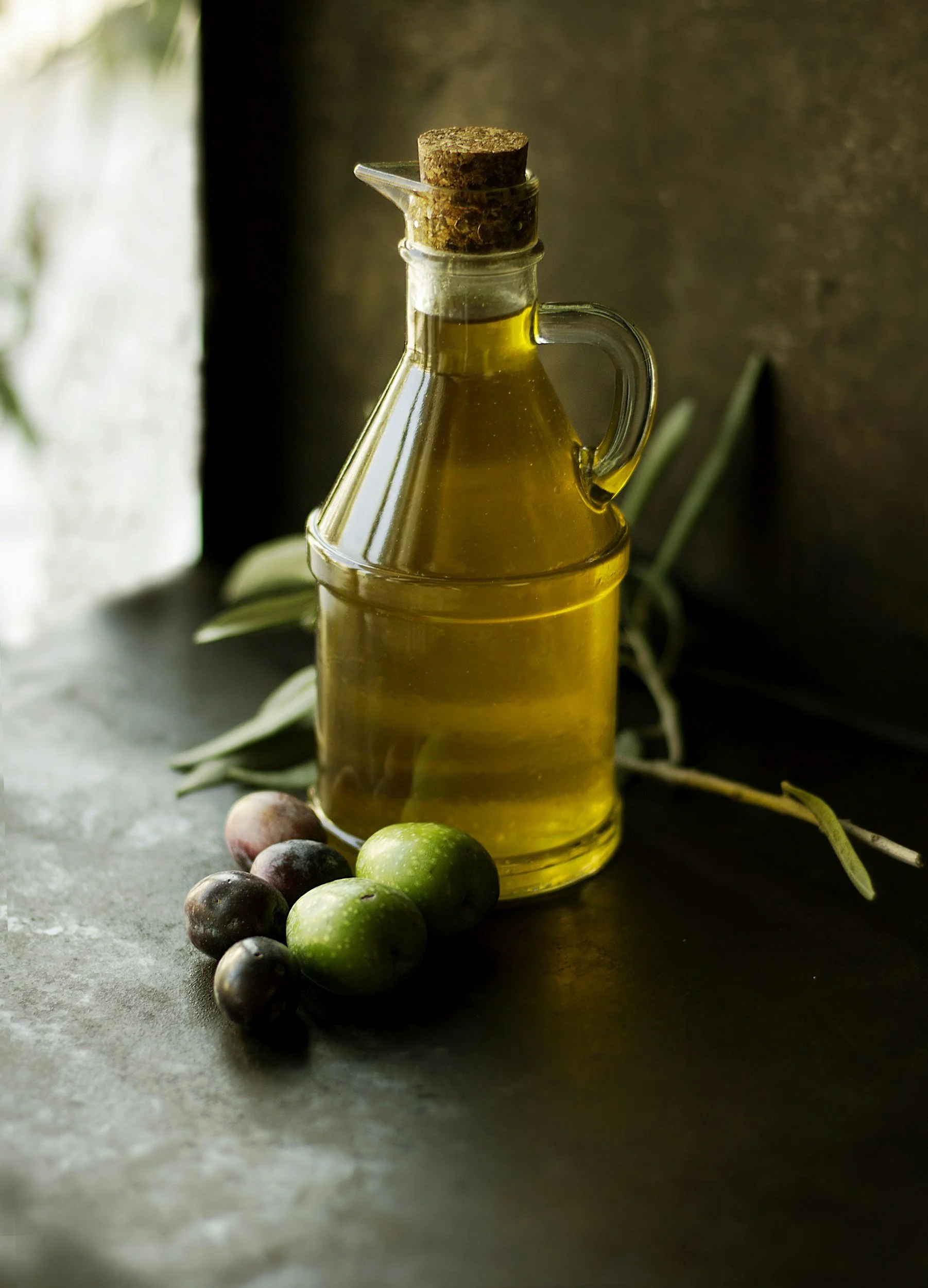
Ingredients & Suggestions
Ingredients are chosen with consideration for replacements.
<Infused Oil>
3 T Olive Oil (3Tbsp)
Coconut Oil (3Tbsp)
Castor Oil (2Tbsp)
- 1:2 ratio, depends on your jar size.
READ ON DIFFERENT PESTO VARIATIONS
<Salve>
Beeswax (2Tbsp)
Activated Charcoal (1Tbsp)
Bentonite Clay (1Tbsp)
25 drops Lavender EO.
15 drops Tea Tree EO.
These recipes are meant to be flexible to your needs and preference. Experiment with different ingredients to find the texture, smell, and taste of your liking! Use what you have on hand and experiment to make it your own!
making the salve| adapted recipe from Thelostbookofherbalremedies
You’ll need:
Dried OR Fresh Herbs (Plantain + Calendula), I used fresh plantain and dried calendula. Infused into oils.
Oils
Crock-pot or Double Boiler
Clean Jar and Strainer
Gloves
Paper Towels & Cleaning Supplies Near
Bin (For Cleaning Utensils)
Spatula (Not used for food)
Instructions
(1) MAKE Oil Infusion: Add you herbs to a clean jar and top with oils. If doing crock-pot method (my preferred), simply place your jar into the bottom. Fill with water until the oil it covered with water and set to warm for 12-48 hours. Careful when removing your jar, it will be hot. Let cool and strain the plant material out with a mesh strainer and optionally cheese-cloth or coffee filter if there is very small/fine material. For fresh plant material it is best to use some form of heat during infusion process.
(2) CREATE a double boiler with one big pot and a smaller heat safe container. fill your bigger pot with a few inches of water and boil with smaller jar in there.
(3) ADD your oil and beeswax to melt completely.
(4) SLOWLY add in your charcoal and clay and mix consistently to prevent clumping.
(5) REMOVE from heat and add in essential oils. Mix well and transfer to smaller jars to cool. Avoid moving around while your salve is cooling.
A note about first aid
As mentioned, this recipe is adaptable to your situation and accessibility. These ingredients are picked with purpose, but there is always flexibility and variations to try. This recipe is also made with a primary first-aid purpose, but it is actually best to think of this as an everyday ally. The truth is that the category of first-aid is often forgotten about until it’s needed. What I mean is you might make this for your first-aid pack, and never get around to using it. Or perhaps you to get a splinter or bite, but don’t happen to have the salve on hand because it’s shoved away in your big bulky first aid kit that is only for the occasional tent trip. My best tip is to have a very small jar handy for those instances, a bigger jar for home instances, and a medium sized for that bulky first aid kit. Find you flavor of organization, just don’t forget about it to never be used…
<PAIRING TIPS>
Plantain is a wonderful friend to get to know because he gets along well with others.
Yarrow
Goldenrod
St. Johns Wort
Chickweed
Calendula
Chamomile
Other Plants to Consider: Aloe, Burdock, Mullein, Marshmallow, Plantain, Prickly Pear (Herbal Medic, Sam Coffman)
< Original Video found on Youtube & Tiktok >
Serving & Storage
This recipe will stay fresher by using the oils mentioned. Using fresh plant matter in oils without heat does increase risk of spoilage, along with using oils with a short shelf like such as grape-seed. This should stay fresh for several months if kept relatively cool. Use your nose and throw it when it starts to look off or smell rancid.
Other Recipes & Resources
Materia Medica Blank Pages→ [Purchase Here]
Quality Olive Oil → [Purchase]
Sign-Up for ‘Find your Flavor’
Trusted Source for Herbs → [Purchase Here]
Lost Book of Herbal Remedies (Apothecary Version) → [Purchase]
Herbal Medic → [Purchase]
This post contains affiliate links. If you click through and make a purchase, I may earn a small commission at no extra cost to you. I only recommend products I truly support and use or just really enjoy. Thank you so much for supporting my small business!